The College of Sharia at Al al-Bayt University organizes a lecture "Health Awareness is Worship" in cooperation with King Hussein Cancer Center
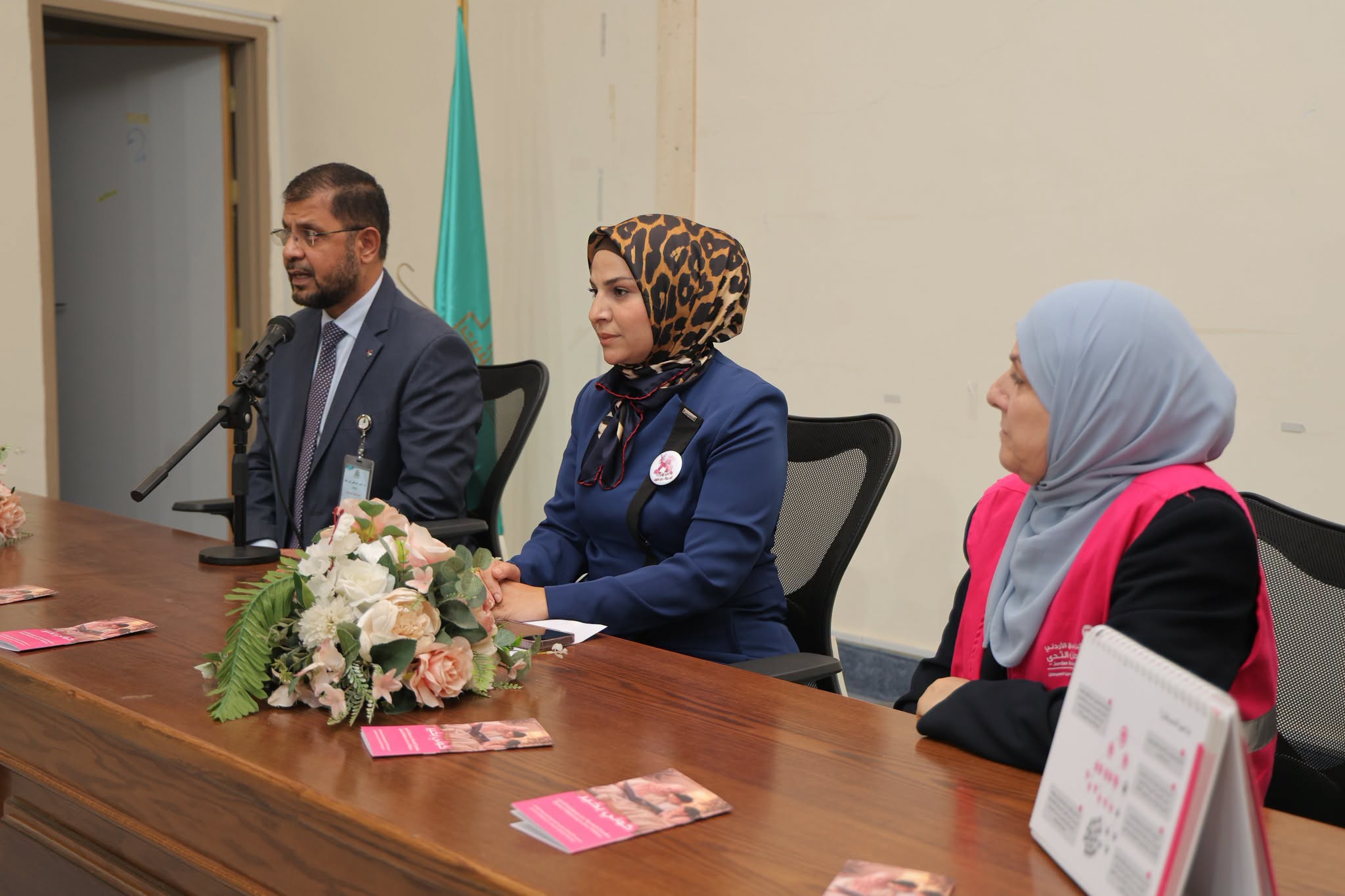
The College of Sharia at Al al-Bayt University, in cooperation with the King Hussein Cancer Center, organized an awareness lecture entitled "Health Awareness is Worship," with the aim of promoting health awareness among students and introducing the importance of prevention and early detection, especially breast cancer. The Dean of the College, Professor Dr. Anas Abu Atta, stressed that Islam has given great attention to human health and body, considering their preservation as one of the responsibilities that help a person perform his religious and life duties. He pointed out that preserving oneself and the mind is one of the purposes of Sharia, calling for following sound health behaviors, staying away from harmful practices, and conducting دورية examinations and early detection of diseases. In turn, the Assistant Dean for Student Affairs, Dr. Abeer Talilan, explained that health is a trust and a blessing that must be preserved, stressing that health awareness, adherence to sound habits, prevention, and medical follow-up represent important aspects of faithful behavior and individual responsibility. Mrs. Fatima Al-Omari, the liaison officer of the Jordanian Breast Cancer Program in Mafraq Governorate, affiliated with the King Hussein Cancer Center, also provided an explanation about breast cancer, the importance of early detection, methods of self-examination and medical examinations, in addition to preventive guidelines that contribute to reducing the risk of infection and increasing the chances of treatment and recovery. Al-Omari pointed out that about 1,200 Jordanian women are diagnosed annually with one of the types of gynecological cancers, stressing the importance of intensifying awareness and encouraging women to conduct دورية examinations and consult a doctor when any symptoms appear. At the end of the lecture, the lecturers answered students' questions, stressing the importance of spreading health culture in the university community and consolidating the concept of prevention and early detection, considering the preservation of health a religious, humanitarian, and societal responsibility.
